THE ARCHITECTURE OF MELANCHOLY: INSIDE THE POETIC WORLD OF THE THRIFT STORE DANDYS
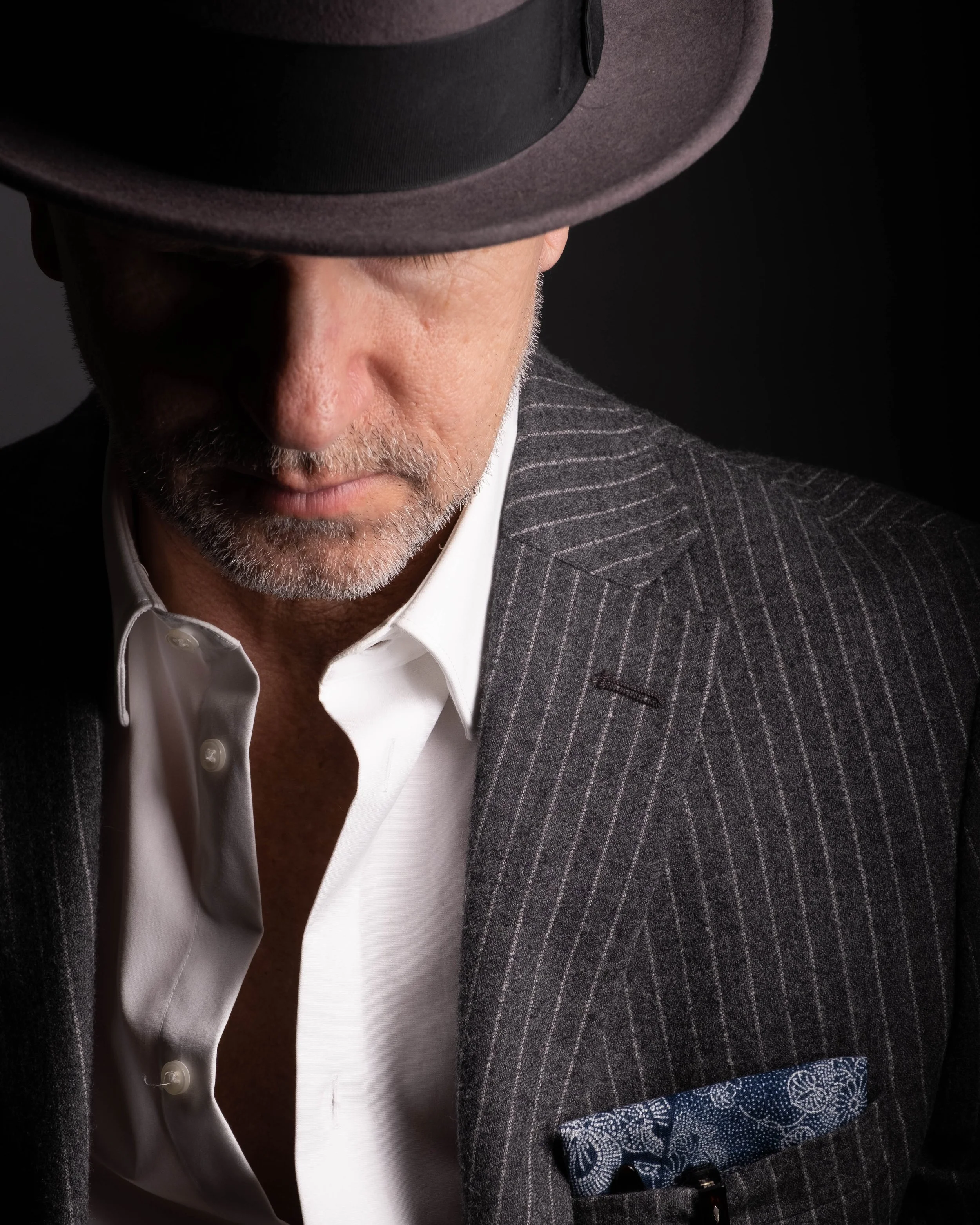
To the uninitiated, the name implies a bustling collective of mid-century aesthetic purists. In reality, The Thrift Store Dandys is the singular, cloistered architecture of singer-songwriter Christopher Andrew Cooke. Operating in the spaces between raw alternative indie and sweeping, dreamlike atmosphere, Cooke has built a world where sonic weight is dictated by the written word and physical appearance serves as the final act of creative expression.
This is not a project that chases contemporary trends; it is a meticulously tailored ecosystem of personal isolation, and sartorial precision. By peeling back the layers of his songwriting before examining the dapper uniform that defines his public presence, we unlock a long-form conversation with alternative music's most solitary dandy about what it means to turn melancholy into a tangible art form.
Lyricism, Songwriting, & Emotional Expression
Interviewer: For people discovering The Thrift Store Dandys today, the name implies a full group, but the music stems from your singular imagination. When you sit down to write lyrics, do you feel like you are writing personal confessions, or do you view yourself as a fiction writer building characters to step into these moody worlds?
Christopher Andrew Cooke: I have been a songwriter for decades, and my work has always been rooted in personal experiences—though I traditionally obscured those details to mask my direct connection. Recently, however, I have started incorporating the broader themes surrounding me, capturing the stories of people I have met and writing directly from their perspectives.
Interviewer: Songs like "Under Deep Blue Skies" carry immense melancholic weight. But you also have "The Words I Couldn’t Say," which tells its story entirely as an instrumental. How do you decide when an emotional narrative needs your voice and poetry, and when lyrics would only get in the way of what you want to express?
Christopher Andrew Cooke: When I create a song, I always write the music and the lyrics simultaneously to capture the raw theme. Every single one of my lyrics has a story. I don’t intentionally set out to write a melancholy song; I just don’t believe sadness is an inherently bad thing. In fact, I think sadness often accompanies bravery and growth.
Living in Japan forced me to face solitude directly, and it was incredibly revealing. Although most people want to live in a continuous reel of happiness, melancholy is equally important—even the Japanese national anthem is quite sad. I found that environment to be very introspective, and I feel comfortable expressing myself through that lens.
━━━━━━━━━━━━━━━━━━━━━━━━━━━━━━━━━━━━━
"I believe life is like being in an elevator that
only goes up and the roof is on fire. But once you
pass the fire, you're out of the building."
— CHRISTOPHER ANDREW COOKE
━━━━━━━━━━━━━━━━━━━━━━━━━━━━━━━━━━━━━━━━━━━━━━━━━━━━━━━
Interviewer: In "Red String Around Your Finger," you play with the Japanese myth of Akai ito (the red string of fate), but you subvert it by exploring how waiting for fate can make someone close their eyes to the real world. What draws you to ancient folklore, and how do you twist those stories to fit contemporary indie-alternative music?
Christopher Andrew Cooke: It’s a song about people who wait for the perfect life and, in doing so, miss out on a world of unexpected opportunities. It is essentially a present-day theme disguised within ancient folklore.
Interviewer: Many of your songs weave deeply emotional narratives about legacy, connection, and mortality. Because you write in complete isolation, does the process of channeling such heavy human themes feel liberating, or does it ever get overwhelming?
Christopher Andrew Cooke: It’s very liberating. Sadness isn’t something you should repress; it’s something you should embrace and let become a part of you. However, I don’t write so specifically that people feel left out. For example, "To Be With Me Tonight" is about the emptiness felt after losing someone close to you. As you go through life, you lose people around you—whether a pet, a friend, or a family member. It is a deeply personal journey, but if you are lucky enough to have not experienced that yet, it may simply register as a standard love song.
Interviewer: Can you give another example?
Christopher Andrew Cooke: Well, there’s “Under The Moonlight”. I wrote that song many years ago, but I wasn’t comfortable singing the lyrics until I could obscure them in a more poetic form. The song opens with the line, "She’s as strong as the winter sun, caught in mid-daylight." Because it relies on a poetic structure, the rhythm section becomes almost hypnotic and the guitar parts are haunting and sparse. That spacing emphasizes the lyrics, which are fundamentally about the demise of someone who was once incredibly strong, using that remaining strength to face their own ending.
Interviewer: What is your concept of death?
Christopher Andrew Cooke: I believe life is like being in an elevator that only goes up, and the roof is on fire. But once you pass through the fire, you're out of the building. And the possibilities out there are encouraging.
Interviewer: Can you give me some more examples of the inspiration behind your songwriting?
Christopher Andrew Cooke: "You’ll Come Around" explores two conflicting ideas: one side is positive and romantic, while the other is negative and shortsighted. For example: "There’s a time the rain fell from heaven, now it falls fast from the clouds / Once we could fly over mountains, now we’ll never leave the ground."
With "Under Deep Blue Skies," it feels written from an entirely different era, mentioning, "One ship will sail this land," and later, "Castles rise up from the ground and reach into your eyes." It is about encouraging someone to embark on a personal journey that is, in itself, completely timeless. It is something everyone must eventually do.
Interviewer: Then there are the instrumentals.
Christopher Andrew Cooke: Yes, I have written several instrumentals and have officially released two: "The Words I Couldn’t Say" and "Dormant Days." Both operate as short interludes that fade in and out like a passing thought through your mind. They are emotionally heavy and texturally thick with distortion and chord-bending; their purpose is strictly to create a specific mood. I always perform them live, playing them both with a full band and during my solo acoustic sets.
Continuing Expression Through Fashion
Interviewer: I want to shift from the page to the wardrobe, because your visual identity feels less like marketing and more like a continuation of your writing. Your official bio describes your style as "expressionism in motion," using clothes to amplify identity.
Christopher Andrew Cooke: I really developed my wardrobe while living in Tokyo. It is an accumulation of clothes and accessories that I have acquired over time. I deeply enjoy thrifting to find unique vintage pieces, and I truly believe that accessories—from scarves to pocket squares—are the absolute best way to express yourself. It grants you much more personal freedom to piece together a look that is uniquely your own.
I was actually once called a "thrift store dandy" as a derisive remark, and it made me like the aesthetic even more. I have come to realize that when it comes to anything artistic—especially music or fashion—you are not responsible for other people's lack of imagination. Being yourself should always feel entirely natural and comfortable.
━━━━━━━━━━━━━━━━━━━━━━━━━━━━━━━━━━━━━━━━━━━━━━━━━━━━━━━
"When it comes to anything artistic, especially music
or fashion, you are not responsible for other
people's lack of imagination."
— CHRISTOPHER ANDREW COOKE
━━━━━━━━━━━━━━━━━━━━━━━━━━━━━━━━━━━━━━━━━━━━━━━━━━━━━━━
About the Author: This feature was captured and curated by, Robert Clarke music journalist specializing in independent alternative scenes, visual expressionism, and the intersection of modern rock and classic aesthetic movements.